Why Natural Light Photography TN Is Perfect for Outdoor Portraits
Finding the Right Light in the Tri-Cities Region
The first time I shot a portrait session in a makeshift studio with strobes and umbrellas, I spent more time adjusting the lights than actually photographing the couple. The results were fine, but the process felt stiff and disconnected from the moment. Over the years, I started shifting to natural light for most of my outdoor work, especially here in the Tri-Cities area. The hills, the open fields, and the way the morning sun filters through the trees all lend themselves to a softer, more authentic look. That is where natural light photography tn starts to make sense for a lot of us who shoot portraits regularly.
Working with available light means you have to think on your feet. You cannot just dial in a flash output and call it done. You have to read the sky, predict cloud movement, and understand how the sun moves across a location at different hours. But once you get comfortable with that, your images start to feel less like staged productions and more like real life. And for family portraits or engagement shoots, that feeling is everything.
Why Natural Light Works for Portraits
When I photograph a family, the last thing I want is for them to feel like they are sitting for a formal portrait. Kids get restless, parents get stressed, and artificial lighting can add to that tension. Natural light, especially during the golden hour right after sunrise or just before sunset, wraps around people in a way that feels gentle and forgiving. It hides minor imperfections, creates a natural catchlight in the eyes, and produces skin tones that look warm without needing a lot of editing.
One thing I have learned is that open shade is your best friend on a sunny day. If you place your subject in the shadow of a building or a tree but still facing the open sky, you get even, soft light without harsh shadows across the face. That trick alone has saved me more times than I can count. And when you combine that with a reflector to bounce a little light back into the eyes, you get a look that feels polished but not overdone.
How the Tri-Cities Landscape Shapes the Light
Shooting in East Tennessee gives you a distinct advantage when you work with natural light. The rolling hills and valleys create natural reflectors and diffusers. A field of tall grass catches the low sun and throws a warm glow back onto your subject. A wooded trail filters the light through leaves, creating dappled patterns that add texture without being distracting. The mountains to the south also mean that the sun sets earlier behind the ridges, so the golden hour can stretch a bit longer in the summer months. You just have to plan your sessions around the specific topography of your location.
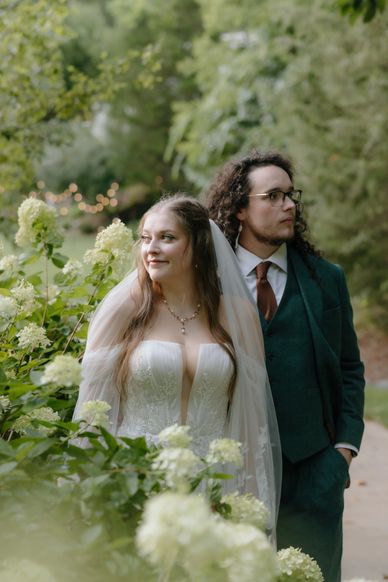
I remember one session near a local farm where the sun was dropping behind a ridge about twenty minutes earlier than I had expected. Instead of panicking, we moved to an open area where the sky was still bright enough to give us a soft, even light. That flexibility is part of working with natural light. You cannot control the sun, but you can control where you stand and how you frame the shot. That is where the real skill comes in.
Practical Tips for Natural Light Portraits
If you are thinking about trying natural light for your own sessions, here are a few things I have picked up along the way that might help you avoid some of the mistakes I made early on.
- Check the weather and the sun position before you book a session. Apps like Photopills or even the basic weather radar can tell you when the clouds will roll in or when the sun will be at its harshest.
- Arrive at the location early so you can walk the area and find spots with good open shade. Look for north-facing walls, large tree canopies, or covered porches that block direct sun but still let in plenty of ambient light.
- Use a reflector, even on overcast days. A white or silver reflector can add just enough pop to the eyes without looking artificial. I keep a collapsible one in my bag at all times.
- Shoot in RAW so you have flexibility to adjust exposure and white balance later. Natural light changes quickly, and RAW gives you a safety net if you miss the mark by a stop.
- Pay attention to the background. Bright spots behind your subject can pull the eye away from the face. Move yourself or your subject so the background is even in tone and not competing with the main focus.
These are simple things, but they make a consistent difference. The more you practice with natural light, the more intuitive these adjustments become.
Why Many Photographers Prefer Natural Light for Events
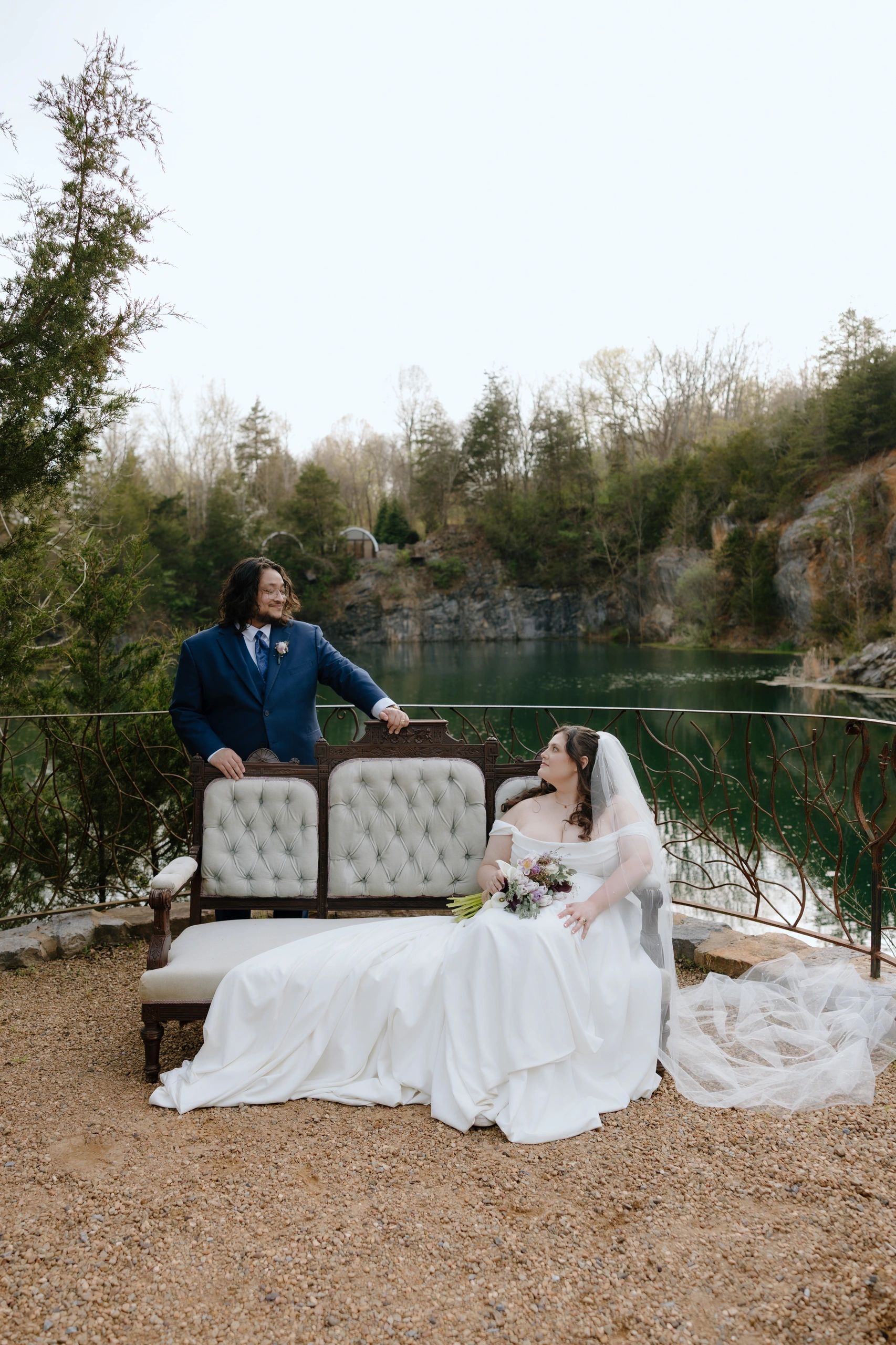
Weddings and family gatherings are unpredictable. You cannot stop the ceremony to adjust a light stand or reposition a softbox. That is why so many event photographers lean on natural light whenever they can. It lets them move quickly and capture candid moments without drawing attention to themselves. A well-timed shot of a bride walking down the aisle with the morning sun streaming through a window can be more powerful than anything you could create with artificial light.
For real estate photography, natural light also plays a huge role. A room filled with soft, even daylight looks bigger and more inviting than one lit by flash. The trick is to shoot at the right time of day when the light is not too harsh and to use multiple exposures if necessary to balance the bright windows with the darker interior. That is where experience with natural light photography tn really pays off, because you learn to read a space and know exactly when to press the shutter.
Natural Light Is Not Always the Answer
I should also mention that natural light has its limits. Shooting indoors at night or in a windowless room is going to give you problems no matter how good you are. There are times when a flash or a continuous light is the better tool. The key is knowing when to switch. I have seen photographers force natural light into situations where it just does not work, and the results end up grainy or poorly exposed. Do not be afraid to bring a small speedlight or a portable LED panel for those dark corners. The best approach is to use natural light when it serves the scene and supplement it when it does not.
Some photographers also worry about consistency. Natural light changes by the minute, so if you are shooting a large group over several hours, you might get a mix of warm and cool tones or different shadow patterns. That is where a little post-processing comes in. A consistent white balance and a careful adjustment of highlights and shadows can tie the whole set together. It is not cheating to edit your natural light photos. It is just finishing what the sun started.
Finding Your Own Style with Natural Light
Every photographer develops a personal approach to light over time. Some people love the dramatic look of hard sunlight in the middle of the day. Others prefer the soft, dreamy quality of an overcast afternoon. There is no single right way. What matters is that you understand how light behaves and that you use it to tell the story you want to tell. For me, natural light photography tn has become my default choice for outdoor portraits because it feels honest and connected to the place where I live.
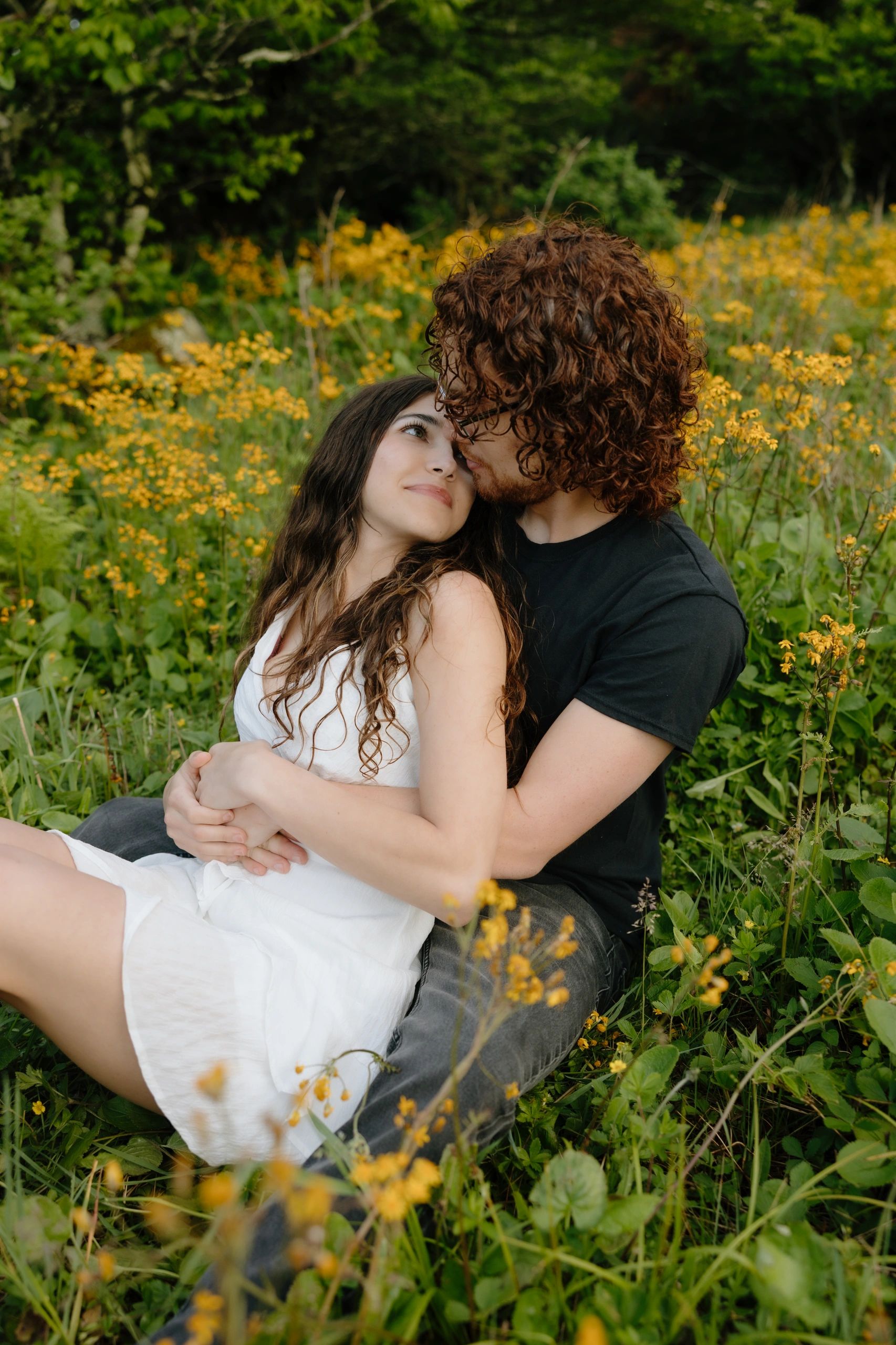
If you are in the Tri-Cities area and looking for someone who works primarily with natural light, you can reach out to Captures by Chloe Kingsport Photographer, located at 5613 Carters Vly Rd, Church Hill, TN 37642, USA, phone +1 423-302-0594. They offer portrait and event photography services including weddings, family portraits, and real estate photography, and they understand how to use the local light to create images that feel natural and timeless.
Connect with us on Instagram.